Heads up: some links on this page are affiliate links (Stay22, Viator). If you book through them we may earn a commission at no extra cost to you. It never changes what we recommend. How this works.
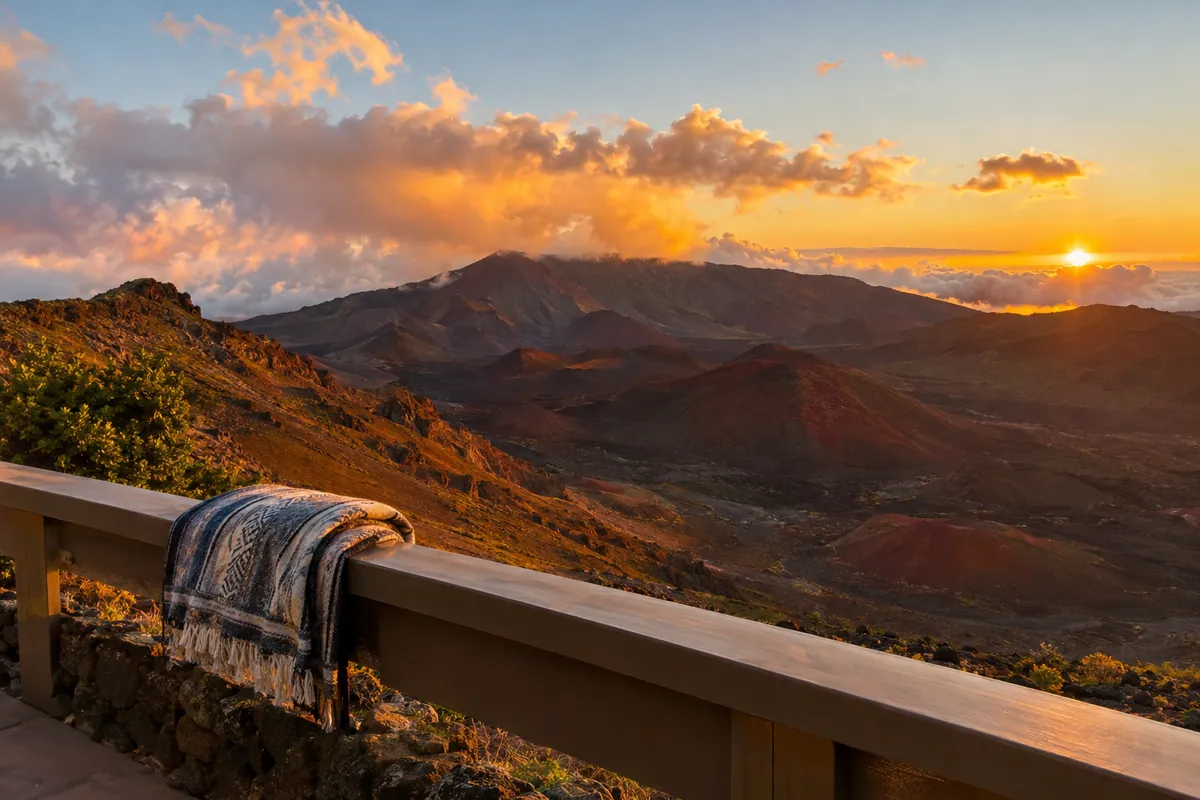
Haleakala sunrise vs sunset: Pick sunrise if seeing the first light over the crater is the main event and you can manage a reservation, an early alarm, and driving uphill in the dark. Pick sunset if you want a simpler visit with no timed entry reservation and would rather make the uphill drive in daylight, then descend after dark.
Neither option guarantees clear skies, and both mean preparing for cold, changeable summit conditions. Sunset is usually the easier choice logistically, but the dark drive down is a real tradeoff, not a small detail.
Quick answer: Sunrise is the more tightly planned visit: a reservation is required for summit entry from 3 a.m. to 7 a.m. Sunset does not require a reservation, and it is typically less crowded. If driving a winding, unlit road at night sounds uncomfortable, consider sunrise instead, provided you can arrange the reservation and early start.
What’s the difference between sunrise and sunset?
The basic choice is when you want to make the drive and which part of the day you want to see from the summit. Both visits can be cold and weather-dependent, and both require you to plan for limited services in the park.
| Factor | Sunrise | Sunset |
|---|---|---|
| Reservation | Required for entry from 3 a.m. to 7 a.m. | No reservation required |
| Drive timing | Uphill in darkness, downhill in daylight | Uphill in daylight, downhill in darkness |
| Crowds | More popular and tightly scheduled | Typically less crowded, but parking can still fill |
| Seasonal light | Roughly 5:40 a.m. in summer to close to 7 a.m. in winter | About 5:47 p.m. in early December to around 7:15 p.m. in summer |
| Best fit | You want dawn and don’t mind a very early start | You want easier entry and can handle a dark drive down |
The sunrise entry window and reservation details are listed by GoHawaii. Seasonal times vary by date: published tables put summer sunrise near 5:40 a.m. and early July sunset around 7:15 p.m., while winter sunrise is close to 7 a.m. and early December sunset is about 5:47 p.m., according to Skyline Hawaii and the National Park Service.
Do you need a Haleakala sunset reservation?
No. The National Park Service says sunset visitors do not need a reservation to enter the park. Sunrise is different: visitors arriving in a personal or rental vehicle between 3 a.m. and 7 a.m. need a timed reservation. GoHawaii lists the sunrise reservation at $1.50 for one day, available up to 60 days ahead, with the park entrance fee charged separately.
For sunset, a guide updated in 2026 lists the park entrance fee as $30 per vehicle and says it is valid for three days. Treat that amount as a planning figure, not a promise: fees and entry rules can change, so check current National Park Service guidance before you go. The NPS says groups need an entrance pass and that a valid America the Beautiful pass waives the fee.
Sunrise reservations are limited, so don’t leave that decision until the night before. If you don’t get one, sunset is a legitimate alternative, not a lesser version of the trip. For more on planning the summit visit, see our Haleakala sunrise guide and Haleakala National Park guide.
Which drive is easier, and how much time should you allow?
Sunrise means driving up Haleakala Highway and the winding summit road before dawn. From Kahului, the drive to the summit visitor center takes about two hours, according to the 2026 sunset guide from Exploroff. Depending on your starting point, the drive can take up to two hours, reports GoHawaii. Add time to get to your viewpoint and park. For sunrise, GoHawaii recommends reaching the Haleakala Visitor Center at least 30 minutes before sunrise, and earlier if you want a good spot.
For sunset, the uphill portion is in daylight, which many drivers will find less stressful. But the summit road has no lights or guardrails, and the descent is in darkness. The NPS asks drivers to go carefully and follow posted speed limits; it also warns that vehicle lights can disorient wildlife, which may land on the road.
Don’t treat the sunset itself as your departure cue. The NPS recommends staying afterward to stargaze and let the worst of the post-sunset traffic ease. A tour page suggests waiting about an hour after sunset for stars, but that adds time to an already long outing. Plan for a slow return, make sure your headlights work, and have your route and necessary supplies ready before you leave your lodging.
For sunrise, the dark drive is on the way up, so the return is in daylight. That doesn’t make the early start easy, especially if you’re staying in West Maui. If you’re still choosing a base, compare where to stay in Maui and the drive-time context in our Maui airport guide.
Is sunset less crowded?
Usually, yes. Skyline Hawaii describes sunset visits as typically less crowded than sunrise, and Exploroff also presents sunset as a less-planned option. That is a general pattern, not a guarantee of a quiet summit. Parking is limited at the overlooks, and the National Park Service says lots close when they reach capacity.
For sunset, the NPS advises arriving two to three hours early to find parking and recommends at least three hours before sunset during the busy winter season. It also warns that the entrance gate line can take 30 to 60 minutes on busy days. Those are cautious planning recommendations, not a promise that you’ll need the full time every visit. Have a backup viewpoint in mind, and don’t assume buying an entrance pass online guarantees entry.
Sunrise has its own pinch point: visitors arrive in the reserved 3 a.m. to 7 a.m. window, and the reservation system was introduced to address crowding at summit overlooks. If you’re choosing a date, Skyline Hawaii says weekdays are generally less crowded than weekends and flags spring break and the last two weeks of December as busy periods. Check current conditions and park guidance before setting out.
How cold is Haleakala at sunrise or sunset?
Cold enough that beach clothes won’t do. One 2026 guide puts common summit evening temperatures at 30 to 40°F (about -1 to 4°C), with wind chill making it feel colder. GoHawaii says the visitor center can be about 30°F colder than sea level and recommends pants, shoes, layers, and blankets. Conditions can also be windy, wet, or variable, so bring a warm base layer, fleece or other insulating layer, and a windproof outer layer.
The cold applies to both visits. Sunrise can feel especially tough because you’re standing still before dawn, while sunset visitors may linger after dark to look at the sky. Bring water and food from town: there’s no food, gas, or drinks for sale in the park. Restrooms and drinking fountains are available at the summit, according to the NPS.
Cloud cover can change what you see, and a clear forecast at the coast doesn’t guarantee clear summit conditions. Check current weather and park conditions rather than assuming the mountain will match your resort area. Our Maui weather guide explains the island’s broader climate, but summit conditions need a specific check before your trip.
Who should choose sunrise, and who should choose sunset?
- Choose sunrise if dawn is the experience you most want, you’re comfortable with a very early start, and you can secure the required reservation. GoHawaii recommends staying 10 to 20 minutes after sunrise to watch the dawn colors spread across the landscape.
- Choose sunset if you prefer a daylight climb, want to avoid the timed sunrise reservation, or would rather not set an alarm in the middle of the night. It’s also a good choice if you want to stay for stargazing and have enough room in your schedule for a dark drive back.
- Skip either summit visit if you’re not comfortable driving a steep, winding, unlit road, or if your schedule leaves no room for a long round trip. Don’t force the outing because it’s on a checklist. You can enjoy Maui without making the summit drive.
For a first summit visit, our practical pick is sunset if you’re confident driving after dark and can arrive early enough to park. If night driving is the concern, sunrise may suit you better, but only if the reservation and early departure are realistic. You can also plan a separate daytime visit to explore the park instead of trying to make a dawn or dusk viewing work.
How we researched this
We compared National Park Service guidance, Hawaii visitor information, published summit guides, and sunrise and sunset time tables. We used those sources to separate the current reservation rules from travel advice and to show where estimates, such as fees and drive times, come from. We did not receive payment from any business mentioned.
Before you go
Check the reservation requirement for your entry time, the exact sunrise or sunset time for your date, the summit forecast, and current park entry guidance. Bring warm layers, food, water, and a full tank before entering the park. For sunset, arrive early enough to account for parking and gate lines; for sunrise, confirm your reservation and allow time for the dark uphill drive. Either way, take the descent slowly and keep your headlights on.
Frequently asked questions
Is Haleakala sunrise worth it?
It can be, if dawn from the summit is a priority and you’re prepared for the reservation, early start, cold, and dark uphill drive. If those logistics sound like more work than the view is worth, sunset is a practical alternative.
Do you need a Haleakala sunset reservation?
No. The National Park Service says a reservation is not required for sunset entry. Sunrise entry from 3 a.m. to 7 a.m. has a separate timed reservation requirement.
Is Haleakala sunset less crowded than sunrise?
Sunset visits are typically less crowded, but summit parking is limited and lots can close when full. Arrive early, especially during busy periods, and have another viewpoint in mind.
Is sunrise or sunset better for avoiding a dark drive?
Sunrise means driving uphill in darkness and returning in daylight. Sunset lets you climb in daylight, but you’ll descend after dark on a winding, unlit road.
How cold is Haleakala at sunset?
A published summit guide gives common evening temperatures of 30 to 40°F, with wind chill making it feel colder. Bring warm layers and check conditions before leaving.
Sources we checked
- National Park Service: sunset reservations, parking, conditions, and safety
- Sunrise-Sunset.org: Haleakala daily and seasonal sun times
- Exploroff: 2026 sunset visit logistics, driving, and gear
- AAA: sunset and stargazing tour details and practical advice
- Skyline Hawaii: seasonal sunrise and sunset times and crowd patterns
- GoHawaii: sunrise reservation, timing, summit conditions, and visit advice
About this guide
Written and fact-checked by the Maui Hotels Blog editors, an independent team that plans Maui trips from official and published sources. We compared 6 sources for this page, linked each one above, and were not paid by any business mentioned. Prices, fees, hours, reservation rules and ocean conditions change, so confirm with the official source before you go.


